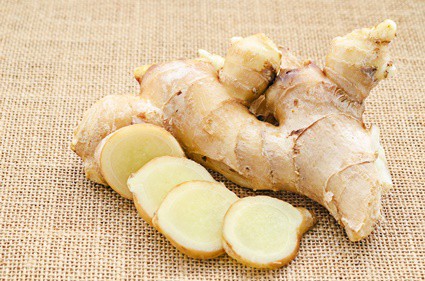
Ginger is derived from the plant’s rhizome (root). It has a sweet, peppery flavor and spicy smell that some (not all) parrots like. It has antioxidant, anti-inflammatory, and anti-nausea properties.
Yes, parrots can safely eat ginger! It’s a good source of vitamins B9 (folate) and C, natural antioxidants, and minerals like copper, calcium, iron, phosphorous, manganese, magnesium, potassium, and zinc.
Why Ginger Is Good for Parrots
Ginger (Zingiber officinale) has the following health benefits:
Improved Digestion
Gingerol (found in the root of ginger) assists with gastric emptying so the digestive process of parrots doesn’t become stalled. Ginger has natural laxative properties, promoting regular bowel movements.
Eating ginger before or after a meal may prevent or resolve digestive issues. These include:
- Constipation.
- Reduced fermentation.
- Bloating.
- Gassiness.
Efficient digestion means more vitamins and minerals will be derived from other foods.
Nausea Relief
Ginger has properties that relieve nausea due to motion sickness, surgical procedures, medical treatments, and upset stomachs.
The gingerols and shogaols in rhizomes block the body’s neurotransmitters acetylcholine (which controls involuntary stomach contractions) and serotonin (which controls the vomiting reflex).
Faster gastric emptying and the anti-inflammatory properties of ginger reduce feelings of sickness.
Reduced Inflammation
When a pathogen enters the parrot’s body, it uses inflammatory cytokines (small proteins that control activity in the immune system and blood cells) to defend itself.
Gingerol, shogaol, and paradol (which give rhizomes their spicy flavor) have anti-inflammatory properties with analgesic effects, inhibiting the production of inflammation-causing cytokines.
Ginger has anti-inflammatory properties, which can reduce pain and inflammation throughout the body. Parrots may be given ginger to ease discomfort associated with joint pain.
Osteoarthritis is the most common form of arthritis among parrots. However, birds can also be affected by rheumatoid arthritis, septic arthritis, and gout.
Immune System Booster
The National Library of Medicine: National Center for Biotechnology Information stated that birds have immune systems that are highly efficient and comparable to that of mammals.
Ginger’s antiviral and antibacterial properties boost the immune system of parrots, fighting against upper and lower respiratory illnesses like sinusitis and rhinitis.
Ginger has anti-inflammatory and antioxidant properties, leading to a better antibody response.
Brain Function
Gingerol, turmeric, and shogaol reduce inflammation, warding against neurodegenerative diseases. Interestingly, parrots don’t appear to develop dementia and Alzheimer’s disease.
Increased blood flow to the brain removes metabolic waste and toxins. Neurotransmitter levels are also increased, facilitating well-optimized communication.
These properties improve mental health by enhancing cognition and reducing the risks of common mental health disorders like depression and anxiety.
Lower Cholesterol
Ginger may reduce a parrot’s LDL cholesterol (low-density lipoprotein) and triglyceride levels while boosting HDL cholesterol (high-density lipoprotein).
Turmeric, notably curcumin, reduces plaque build-up in the arteries and increases the risk of developing coronary heart disease in parrots.
Lower Blood Sugar Levels
Ginger optimizes blood sugar levels by reducing insulin sensitivity, reducing the risk of type 2 diabetes.
Parrots with type 2 diabetes don’t produce sufficient insulin, so glucose builds up in the bloodstream. Ginger promotes glucose absorption into the muscles, so less insulin is required.
Better blood sugar regulation is beneficial for weight loss in parrots.
Healthier Skin
Superior circulation and high antioxidant levels benefit dry, irritated, and damaged skin. Also, the anti-inflammatory effects of ginger expedite healing from cuts, wounds, and abrasions.
Ways Ginger Is Bad for Parrots
In small doses, giving parrots ginger is unlikely to have any adverse health implications.
If you overfeed ginger to a parrot, it can have adverse side effects:
- Stomach upsets.
- Diarrhea.
- Oral irritation.
- Gassiness.
Only give a parrot a small amount of ginger once or twice weekly.
If a parrot is in poor health or on medication, consult a veterinarian before making dietary changes. For example, if a parrot takes blood pressure meds.
Ways To Give Ginger Root to Parrots
Here are some ways to introduce ginger to a parrot’s diet:
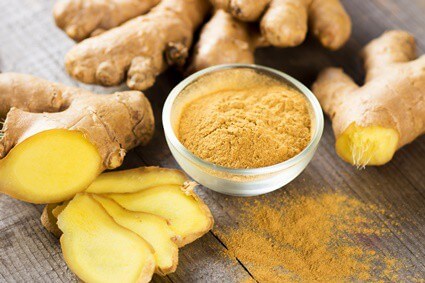
- Put ginger root in the cage and let the parrot nibble at it.
- Cut the ginger root into small pieces or chunks.
- Grate and sprinkle ginger over the food.
- Make tea from ginger root.
How To Make Ginger Tea for Parrots
You can make ginger tea with this simple process:
- Peeling 1 or 2 ginger roots.
- Pouring a cup of boiling water over the peeled and sliced ginger.
- Steeping it for 10-15 minutes.
Ginger tea is ideal for sick parrots who need relief from nausea or stomach upset.
According to the American Federation of Aviculture, mixing ginger tea into baby parrots’ formula with upset stomachs or throwing up their formula can settle their stomachs.
Here are some other teas that are safe for parrots to drink.
Suitability of Ginger Snacks for Parrots
Ginger products like gingerbread cookies and ginger snaps aren’t healthy snacks for parrots. They contain small amounts of ginger, while saturated fats, refined sugars, and additives are abundant.
Feeding parrots food high in sugar and fat can lead to obesity, fatty liver disease, and sugar addiction. Gingerbread cookies and ginger snaps taste good but may shorten parrots’ lives.
Ginger beer shouldn’t be given to parrots because it’s carbonated and contains added sugars. Some beverages contain artificial sweeteners, like aspartame, which are toxic to many animals.
Only feed a parrot raw or dried ginger once or twice per week. Either slice up some ginger or add some ground ginger to flavor one or two of the parrot’s meals. Alternatively, give it some ginger tea.
Ginger is healthiest when raw because cooking and heat exposure reduce its nutritional value.