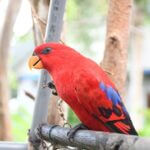
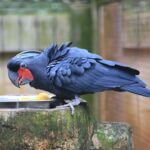
Cockatoos are among the most long-lived parrots. Many members of the cockatoo family (Cacatuidae) survive for 60 to 80 years when looked after well.
The sulphur-crested, bare-eyed, goliath, Moluccan, and umbrella cockatoos can live for 60+ years. Smaller species, like Goffin’s, survive for an average of 30 to 40 years.
How Long Cockatoos Live As Pets
Diseases are more prevalent in wild birds, so their lifespans are, on average, shorter.
Wild cockatoos fall prey to predatory animals like snakes, big cats, and birds of prey. Also, the destruction of their native habitats due to deforestation has been problematic.
The table summarizes the average lifespan of cockatoo species:
| Cockatoo Species | Captive Lifespan | Wild Lifespan |
| Bare-Eyed Cockatoo (Cacatua sanguinea) | 60 – 80 years | Up to 40 years |
| Citron-Crested Cockatoo (Cacatua sulphurea citrinocristata) | 40 – 60 years | Up to 40 years |
| Goliath Cockatoo (Probosciger aterrimus) | 60 – 80 years | Up to 30 years |
| Goffin’s Cockatoo (Cacatua goffiniana) | 30 – 40 years | Up to 20 years |
| Major Mitchell’s Cockatoo (Lophochroa leadbeateri) | 60 – 80 years | Up to 50 years |
| Moluccan cockatoo (Cacatua moluccensis) | 50 – 70 years | Up to 30 years |
| Slender-billed cockatoo (Cacatua tenuirostris) | 50 – 70 years | Up to 20 years |
| Sulphur-crested cockatoo (Cacatua galerita) | 60 – 80 years | Up to 40 years |
| Umbrella cockatoo (Cacatua alba) | 70 – 80 years | Up to 30 years |
| Slender-billed Cockatoo (Cacatua tenuirostris) | 30 – 50 years | Up to 20 years |
Determining The Age of A Cockatoo
If you adopt a cockatoo that has been rehomed and doesn’t have a leg band with its date of birth, you likely won’t have a clue how old it is. DNA testing also won’t reveal when it was born.
We can estimate a cockatoo’s age based on other factors:
Feathers
Juvenile cockatoos have very bright and prominent colors in their feathers. As the cockatoo ages, the feathers will fade and become dull.
The quality of feathers will also become more ragged as cockatoos age, although they’ll molt feathers and regrow replacements at least once a year.
Eyes
The irises of younger cockatoos are a deep black. The older the cockatoo, the more the irises will lighten, especially if cataracts were to develop.

Legs and Claws
Older cockatoos have flakier, rougher skin on their legs. Also, the shade of skin will darken as it ages. The claws of a senior cockatoo are likelier to be overgrown because they’re less active.
Beak
If the beak is black, shiny, and seemingly in good condition, this suggests that the cockatoo is in the first half of its lifespan. If it’s scuffed and faded, it’s growing older.
Demeanor and Behavior
A young cockatoo will be endlessly curious and filled with energy and wonder, inviting play. Older cockatoos are usually more serene and sedate.
Why Cockatoos Live So Long
Let’s look at why cockatoos live longer than other parrots:
Metabolism
Cockatoos have a fast metabolism, rapidly burning calories. This prevents them from becoming overweight because food is quickly converted into energy.
High metabolism is often connected to rapid aging and short lifespans. Basic Life Sciences explains how a high metabolic rate generates more free radicals.
These unstable DNA molecules bind to cells and cause oxidative damage, reducing the body’s ability to detoxify and combat the effects of aging and sickness.
This is why small mammals with high metabolic rates, like the common shrew, only live for around 2 years. However, avian DNA differs significantly from mammals.
Birds don’t experience the same level of oxidative stress through metabolism. The organs of cockatoos age and deteriorate much slower than mammals, resulting in a longer lifespan.
Intelligence and Adaptability
Although captive cockatoos can live up to twice as long as wild birds, non-pets still live longer. Part of this is due to their high intelligence, which is broadly correlated to their mass.
Proceedings of the Royal Society explain that a large parrot usually has a bigger brain. This implies that a parrot the size of a cockatoo will be very smart, which is invaluable for survival.
Many smaller animals rely on instinct to survive. As cockatoos can fly, these hasty escapes are easier. Cockatoos are clever birds that adapt to remain safe. Things they do include:
- Cockatoos fly at lower altitudes than birds of prey, their natural enemies.
- Cockatoos roost high in trees, where snakes can’t access them, and strip branches to provide a rapid escape route if required.
- Cockatoos sleep with one eye open (unihemispheric slow-wave sleep), always remaining vigilant.
- Cockatoos only breed and eat in safe conditions that have been carefully assessed.
- Cockatoos are highly adaptable. They don’t migrate during winter but seek more appropriate living conditions if food or shelter is sparse.
In Australia, it’s common to find large broods of sulphur-crested cockatoos living in parks and public gardens close to densely populated cities. Humans provide abundant food.

Diet and Lifestyle
Parrots enjoy eating nutritious foods, so they rarely become malnourished due to a lack of nutrients.
Cockatiels are energetic birds who enjoy regular exercise. A captive cockatoo that can leave its cage for several hours will fly around the home, burning calories and maintaining a healthy weight and heart.
Cockatoos are often found scaling the cage bars and taking flight if the dimensions permit.
Avian Veterinary Science
While avian medicine is a niche science, the Journal of Veterinary Medical Education stated that around 30% of veterinary school graduates have expertise with birds.
Understanding exotic birds’ diet and lifestyle needs has led to a longer lifespan. Medication can treat diseases, vaccinations are available, and advice can prevent sickness.
How To Extend the Life of A Cockatoo
Follow these steps to maximize a cockatoo’s life expectancy:
- Feed it a healthy and balanced diet.
- Avoid unhealthy or toxic foods, like chocolate and avocados.
- Parrots have sensitive respiratory systems, so avoid airborne contaminants.
- Ensure that water is available at all times to prevent dehydration.
- Encourage the cockatoo to exercise for at least 2 hours daily, ideally 3-4.
- Don’t clip the bird’s wings unless, except for safety reasons.
- Talk to and engage with them regularly to avoid behavioral problems and stereotypies.
- Minimize stress by providing a large cage with 3+ perches and things to do.
- Ensure the cage is deep-cleaned weekly and spot-cleaned as needed.
- Locate an avian vet and take the cockatoo for health checks every 6 to 12 months.
Many cockatoos have human-like lifespans, often surviving their owners. This is due to their efficient metabolism, high intellect, dietary regimen, and advances in veterinary science.