Parrots like kiwi because it’s sweet and flavorful with an interesting texture. They also enjoy pecking through the fuzzy skin that houses the fruit. A kiwi’s flesh, seeds, and juice are all parrot-safe.
Kiwi is packed with vitamins and minerals that bolster avian health. It contains calcium, which helps stave off hypocalcemia, and vitamin C, which strengthens the immune system.
Kiwis are also abundant in antioxidants, reducing the risk of serious illness as parrots age. The fiber in kiwi fruit promotes an active and healthy digestive tract, preventing constipation.
Fruit consumption should be moderated, so large parrots shouldn’t eat more than 1 kiwi per week. Small parrots (like budgies, cockatiels, and lovebirds) should eat less than half a sliced or diced kiwi.
What Parrots Like About Kiwi Fruit
Kiwi has a slightly tangy and acidic taste, often compared to pineapple, strawberry, and banana. All parrots have unique likes and dislikes, but kiwi (Actinidia deliciosa) is a universal favorite.
Most parrots are drawn to sweet tastes, and the natural sugar found in kiwi overrides its acidic properties. If you offer kiwi to a parrot, it’ll likely accept the fruit without question.
Why Kiwi Is Good for Parrots
The only issue with kiwi fruit is its sugar content because it contains more sugar than many other fruits. This can lead to digestive distress (gassiness, bloating, stomach pain, and diarrhea).
There are health benefits to introducing kiwi to a bird’s diet:
Calcium Carbonate
An advantage of introducing kiwi to a parrot’s diet is calcium.
Clinical Endocrinology of Companion Animals stated that hypocalcemia (calcium deficiency) is a common concern, especially in captive birds.
Parrots have weak skeletons without enough calcium and are more vulnerable to osteoporosis. Hypocalcemia also affects parrots’ reproductive systems, muscles, and nervous systems.
Parrots rely on their diet to obtain this mineral. By feeding kiwis to parrots, you negate the need to offer supplementation. Vary kiwi with other calcium-rich fruits.
For parrots to absorb calcium, they must be exposed to the sun’s UV rays for vitamin D3.
Vitamin C (Ascorbic Acid)
Despite its acidic qualities, kiwi isn’t a citrus fruit. However, it’s just as high in vitamin C. Introducing kiwi to a parrot’s diet will increase the likelihood of a robust immune system.
However, parrots can organically create vitamin C in the liver from glucose.
Digestive Transit
Kiwi is high in fiber, which is essential for avoiding constipation.
The European Journal of Nutrition explains how one-third of the fiber in kiwis is soluble, and the rest is insoluble. Both types of fiber are essential for a healthy digestive tract.
Insoluble fiber adds bulk to a parrot’s stool, making the passage of waste easier. Meanwhile, soluble fiber helps parrots digest solid foods and absorb essential vitamins.
Antioxidants
According to the Biological and Clinical Sciences Research Journal, kiwi is a superfood due to its high antioxidant levels. Choline, lutein, and zeaxanthin are all found in kiwi fruit.
Antioxidants reduce the number of free radicals in the body, minimizing the effects of oxidative stress. This can help reduce the risk of degenerative diseases like heart conditions.
Dangers of Kiwi Fruit for Parrots
There are risks to feeding kiwi to a parrot beyond the usual caveats. All varieties of fruit should be provided once or twice a week (not daily) and shouldn’t be the central part of a parrot’s diet.
Kiwi is higher in sugar than some fruits, which can cause digestive issues like gassiness and diarrhea.
How To Feed Kiwis To Parrots
Larger parrot species may consume an entire fruit once a week without adverse effects, but it’ll be far too much for smaller birds. Also, uneaten kiwi spoil quickly at room temperature once peeled.
Cutting a kiwi into slices and feeding it over several days is recommended. Keep it refrigerated.
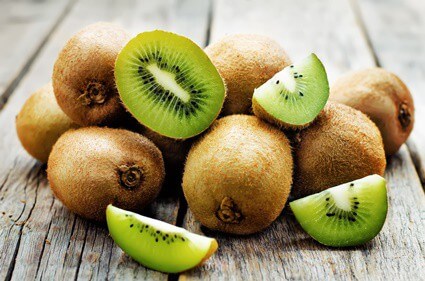
Each kiwi has 4 parts, all of which are safe for parrots to enjoy:
Kiwi Flesh
Most pet parrots look forward to eating the kiwi’s juicy flesh.
Kiwi can be offered to all parrot species in the following ways:
- Kiwi flesh can be sliced. Then, you can hand-feed the parrot as a bonding exercise.
- Dice the kiwi into small, bite-sized chunks and place them in a small bowl.
Parrots make a mess when eating their food, so clean up once it has finished.
Kiwi Skin
Most of us peel away the distinctive furry skin that coats a kiwi fruit.
It’s optional whether you do the same before offering kiwi to parrots. Some birds enjoy working through the tough skin, while others find it irritating.
If a parrot has a taste for kiwi skin, it has health benefits, including folic acid and vitamin E.
Kiwi Seeds
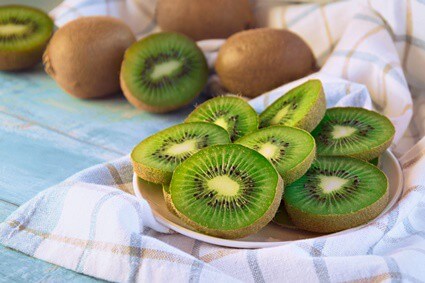
Unlike some stone fruits, kiwi seeds don’t contain a cyanide compound. The seeds are tiny and unlikely to pose a choking hazard. The main benefit of kiwi seeds is Omega-3 fatty acids.
The Journal of Avian Medicine and Surgery warns that atherosclerosis (the hardening of arteries) is a common concern in pet birds. Fortunately, Omega-3 reduces this risk of atherosclerosis.
Kiwi Juice
Water is life-critical to parrots, but they sometimes become reluctant to hydrate. If a parrot has stopped drinking or isn’t drinking enough to thrive, its health will be severely compromised.
Can parrots drink kiwi juice? They can, but avoid offering pure kiwi juice because it may make them reluctant to drink water. Instead, offer one-third fruit juice diluted with two-thirds water.
Amount of Kiwi Parrots Can Eat
Kiwi is among the tastiest and healthiest fruits you can offer psittacine birds. Parrots can be fussy eaters, especially once they develop a taste for a particular food.
Any fruit, especially those high in sugar like kiwi, should be offered to parrots sparingly. For maximum health benefits, offer half a diced-up kiwi in a fruit medley once or twice weekly.