Parrots can eat fish and seafood as part of a nutritionally balanced diet. They’re an excellent source of protein, omega-3 fatty acids, calcium, vitamin D, and phosphorus.
Unfortunately, not all fish and seafood are suitable for parrots. Crabs, shrimp, and shellfish are exposed to pollutants, toxins, and heavy metals, including mercury, lead, cadmium, and arsenic.
This applies to fish, like tuna, which is exceptionally high in mercury. Reduced amounts of these substances are also found in salmon, cod, and catfish.
If you feed a parrot canned fish, ensure it’s water-packed and free from added salt or oil.
Fish Is Good for Parrots’ Health
Fish and seafood (although not alternatives to dietary staples) offer the following nutrients:
Animal Protein
Alongside chicken, fish is among the best animal protein sources. Parrots rely on protein for:
- Muscle growth.
- Tissue repair.
- Strong feathers.
- Energy.
Vegetarian diets contain some essential amino acids but lack others, like lysine and methionine.
According to Food and Chemical Toxicology, eating the recommended amount of fish per week can increase a parrot’s lifespan. Fish are preferred over red meat, which is high in saturated fats.

Omega 3 Fatty Acids
Fish high in omega-3 fatty acids include salmon, sardines, herring, lake trout, and light tuna. The omega-3 fatty acids are eicosapentaenoic acid (EPA) and docosahexaenoic acid (DHA).
Omega-3 fatty acids are beneficial in the following ways:
- Cardiovascular disease prevention.
- Lower risk of atherosclerosis (hardening of the arteries).
- Increased levels of high-density lipoprotein (HDL).
Salmon and sardines are often used as a source of omega-3 for supplements.
Calcium
Certain fish are calcium-rich, and this mineral is essential for strong bones.
According to the Journal of Veterinary Medicine, seeds, leafy greens, and fruits are poor sources of calcium. Parrots can become calcium deficient (hypocalcemia).
If a parrot is calcium-deficient, it may experience the following problems:
- Skeletal decalcification (osteoporosis).
- Egg binding (dystocia).
- Malformed eggs.
- Low feather quality.
- Seizures.
Fish high in calcium include sardines, salmon, anchovy, and shrimp.
Phosphorus
Phosphorus is vital in bone formation, so it’s essential for a parrot’s skeleton.
Fish contains phosphorus in abundance, which is beneficial in the following ways:
- Utilize proteins for growth and repairing cells and tissues.
- Produce adenosine triphosphate (ATP), a molecule used in the body to store energy.
- Fluid balance and kidney function.
- Nerve and muscle function.
- Bone formation.
Fish high in phosphorus include carp, sardines, clams, and pollock.
Vitamin D
Fish are among the best sources of vitamin D. Vitamin D’s central role is keeping bones and eggshells healthy, which is achieved through calcium absorption.
Even if a parrot ingests calcium and phosphorus, insufficient vitamin D causes weak bones.
Oily fish, such as mackerel, herring, tuna, and salmon, are the best sources of vitamin D.
Why Parrots Like Fish
Parrots love the taste of fish. The meat is lean, flavorful, and easy to tear through. However, a parrot may be hesitant to try new foods. If that’s the case, you can do the following:
- Eat fish together. A parrot may believe that fish is safe once it’s seen you eat it.
- Offer it by hand. It may be hesitant to taste new foods in its bowl.
- Types of fish. All fish have different flavors, so offer them different varieties.
Never add oil, salt, or seasonings to make fish more palatable to parrots.
Parrots Eating Fish in The Wild
Wild parrots rarely eat fish as they find it difficult to hunt for them.
Fish-eating birds have long, sharp beaks to stab fish in the water. Exceptions include pelicans, but this bird has a pouch that allows it to scoop up fish.
Since parrots have curved beaks (hookbills), catching fish in the water is difficult.
Risks of Parrots Eating Seafood
Parrots can eat seafood, such as:
- Lobsters.
- Shrimp.
- Clams.
- Oysters.
- Squid.
- Octopus.
These seafood have similar health benefits to fish. Unfortunately, they also contain harmful compounds:
Pollutants
Shellfish are more likely to retain pollutants because they eat waste and decay on the sea floors. While many types of seafood are reared on farms that limit contamination, this isn’t always the case.
Shellfish Toxins
Shellfish may pick up bacteria, parasites, and toxins.
Crabs and shrimp rely on algae as one of their primary food sources. Some types of algae are toxic and remain in the meat of the shellfish.
Of course, there are strict safety standards to prevent toxic shellfish from being sold to humans.
Mercury
Heavy metals, like mercury, can build up inside fish and other marine animals, making them more toxic to eat. Shellfish are more likely to retain these toxins after being cooked.
Smaller fish have higher levels of mercury than bigger fish. The preparation of seafood also affects the amount of mercury present. Fish or seafood with less mercury include:
- Salmon.
- Cod.
- Catfish.
- Pollock.
- Oysters.
- Clams.
- Sardines.
Fish And Shellfish Parrots Can Eat
Let’s explore the health benefits and risks of eating fish and shellfish:
Shellfish
Shellfish contain more toxins than other fish, but you can feed some to parrots when the following apply:
- You’ve verified where the shellfish were sourced.
- The shellfish were thoroughly cooked.
- Shellfish aren’t being fed to young, elderly, or sick parrots.
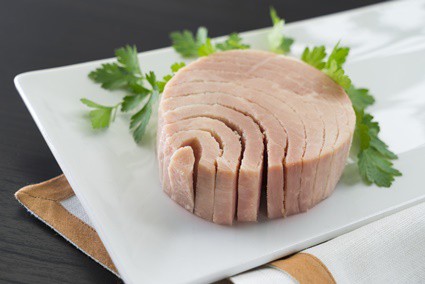
Tuna Fish
Tuna contains protein, omega-3 fatty acids, and B vitamins, which are healthy for parrots. Unfortunately, tuna contains more salt and mercury than other seafood.
Light and skipjack tuna have the lowest mercury concentration, whereas bigeye and albacore tuna have the highest concentration. Mercury can accumulate in the body tissue of parrots over time.
Always opt for water-packed tuna. Tuna packed in oil is too fatty for parrots, leading to weight gain, digestive issues, and lethargy.
Salmon
Salmon is high in vitamins and minerals, easy to source, and less likely to contain mercury. Both baked and smoked salmon are good options.
Cod
Cod is less likely to contain mercury. You can grill, smoke, bake, or sear cod in a pan. While it may taste bland to humans, plain cod is delectable to parrots.
Crab Legs
Parrots can eat crab legs, but shellfish carry additional contamination risks. If you have crab legs that are as well-sourced, they can make a healthy treat.
Crab legs have sweet, juicy meat high in omega-3 fatty acids, protein, vitamins, and minerals.
Shrimp
Shrimp consumption carries dangers due to pollutants.
Parrots will benefit from antioxidants and fatty acids. They can peel off the shell and gnaw on the meat underneath, which they’ll find a fun and enriching experience.
Sardines
Sardines should only be offered in small quantities because they’re oily fish and high in calories.
Preparing Seafood for Parrots
Thoroughly cooking seafood reduces the toxins present.
The best ways to prepare seafood for parrots are as follows:
- Baking.
- Broiling.
- Grilling.
- Boiling.
Don’t add oil, seasoning, or salt when cooking. Avoid breading or frying fish to add flavor.