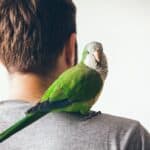
It’s normal for parrots to sneeze once or twice a day to clear their nares (nostrils).
Excessive sneezing can sometimes be resolved by making simple environmental and husbandry improvements, like vacuuming up dust or adding humidity to the room.
A bird likely has a medical concern if a thick and yellow discharge is released from the nostrils. This could be due to parrot fever (psittacosis), reo paramyxo polyoma, or intranasal tumors.
A parrot may wet sneeze due to fungal, bacterial, or viral infections of the respiratory system.
A respiratory illness or nutritional deficiency, like hypovitaminosis A, could cause rhinoliths (nose stones) due to an accumulation of cellular material.
Pet birds react adversely to mites, food allergies, and airborne contaminants.
Parrot Sneezing Is Normal
Parrots sneeze to remove foreign bodies from their nares so their breathing isn’t restricted or obstructed. Sneezing also clears bacteria, making parrots less likely to grow ill.
Sneezing with No Discharge
A dry sneeze happens when a parrot’s nostrils contain dust or a small, foreign object. The purpose of the sneeze is to remove the foreign object or accumulation of particles.
Due to this single purpose, sneezing doesn’t expel fluids (mucus) from the nasal cavity. If a parrot dry sneezes once or twice a day or every few days, it’s unlikely to have a health concern.
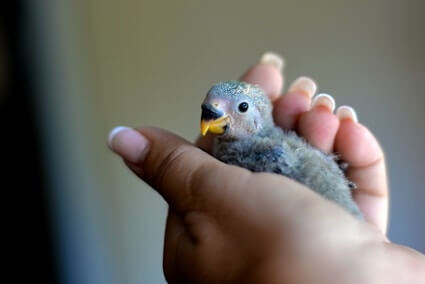
Wet Sneeze
If the sneezes continue or the discharge is discolored, it could signify a bacterial or fungal infection. However, wet sneezing could mean a parrot has:
- Chlamydiosis.
- Aspergillosis.
- Candidiasis.
- Choanal atresia.
- Hypovitaminosis A.
Clear Discharge
If the parrot has a runny nose with clear, thin, fluid discharge, this is likely caused by environmental irritants. Check if the home is dusty, dry, or has strong odors.
Thick Discharge
Thick and yellow discharge may mean the parrot has a disease. The discharge may also contain blood, suggesting the presence of an infection or tumor.
Why Parrots Sneezes
Sniffling and sneezing in parrots have various explanations, including the following:
Dry Environment
You may live in a dry climate or a home with little humidity. If so, the parrot’s nares may dry out, which causes it to sneeze due to skin irritation, dust, and dry skin flakes accumulating inside the nostrils.
Consider adding a humidifier near the cage to moisten the air. You can let the parrot in the shower room and use steam to loosen its dry nasal passages.
Dust
If you’ve recently performed spring cleaning or dust has accumulated in the home, this can get into the nasal cavities and cause the parrot to sneeze.
Keeping your home and parrot’s cage clean and dust-free can prevent sneezing.
If the parrot sneezes regularly, consider replacing the air filters in the home. You can also locate an air purifier to filter out irritants or airborne particles in the room.
Strong Odors
Birds have a highly efficient respiratory system, meaning they’re likelier to develop breathing issues.
Spraying a chemical or intense fragrance in a parrot’s room can enter its nares, lungs, and air sacs, causing irritation and difficulty breathing, which can result in sneezing.
Keep the following away from parrots:
- Candles.
- Perfumes.
- Air fresheners.
- Deodorants.
- Cleaning products.
- Diffusers.
- Tobacco.
Never let a pet bird near the kitchen, especially if you’re using non-stick cookware.
Allergies
A parrot could be allergic to something in its environment. If it sneezes after each meal, it may be allergic to a particular food. You must identify the ingredient responsible.
If the parrot sneezes after you open a window, it could be allergic to pollution or pollen. Sneezing may worsen in the spring and summer, so use an air purifier to remove airborne irritants.
Respiratory Problem
Respiratory infections can trigger sneezing and nasal discharge, usually due to fungal, viral, bacterial, or parasitic infections. The parrot may have picked this up from another bird, food, or contagents.
Parrot Fever (Psittacosis)
Parrot fever (also called Ornithosis or avian chlamydiosis) is an infectious disease spread by the bacteria chlamydia psittaci. It leads to flu-like symptoms, including frequent sneezing.
According to Animal Welfare, parrot fever is zoonotic, meaning it can be spread from parrots to humans.
Psittacosis can be successfully treated with antibiotics like doxycycline.
Tumors
According to AAV Today, most tumors that affect the beak are malignant and invasive.
The parrot may sneeze as an early sign of a tumor. Tumors can cause respiratory infections in the nasal cavity, so surgical removal and a subsequent biopsy is essential.
Mite Infestation
Parasitic mites bite the skin. Most crucially, the parrot may be allergic to the mites themselves. The bites can become inflamed, resulting in cold-like symptoms.
Imitation
Perhaps the parrot heard you sneezing and thought it was funny, so it decided to mimic you. Parrots often pick up and repeat sounds they enjoy from their environment.
Parrots And Colds
Parrots don’t get colds, as the viruses that cause a cold are species-specific. No matter how exposed the parrot is to a human with a cold, it won’t be adversely affected.
Parrots can get respiratory infections with symptoms similar to colds. The most common causes are:
- Chlamydophila.
- Mycoplasma infections.
They can result from bacteria or viruses, which the parrot gets from its environment, leading to:
- Sneezing.
- Watery eyes.
- Coughing.
- A runny nare.
Respiratory infections don’t just involve sneezing, so be vigilant about other signs. If additional symptoms occur along with sneezing, the parrot needs treatment:
- Audible breathing sounds.
- Shivering.
- Diarrhea.
- Discharge from nose or eyes.
- Weight loss.
- Sleepiness.
- Little or no appetite.
These symptoms may also be paired with difficulty breathing and lethargy. For a parrot, breathing issues involve the parrot displaying the following warning signs:
- Leaning forward and stretching its neck.
- Breathing through an open mouth.
- Puffing out its cheeks.
- Bobbing its tail with each breath.
Parrot Sneezing Treatment
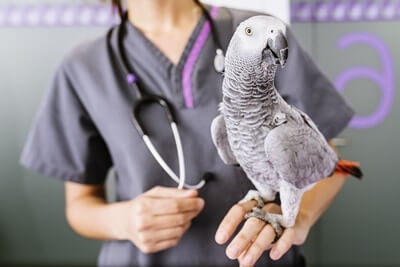
A vet will examine the parrot and ask for its medical history. They may perform checks and tests, like getting blood samples and performing X-rays, to rule out diseases and blockages.
You can change the parrot’s environment, lifestyle, and diet in the following ways:

Vacuuming
If dust is allowed to accumulate, it’s likely to result in sneezing. This can be resolved by vacuuming the room more frequently, especially if parrot dust is a problem.
Clean Cage
Pet birds drop their food and poop frequently. Eventually, it dries out, releasing harmful airborne particles. A parrot’s cage should be spot-cleaned daily and deep-cleaned weekly.
Vitamin A
Vitamin A (retinol) is crucial for preventing respiratory infections. A lack of vitamin A leads to changes in the cells that line the nasal cavity, making it more likely a bird will develop infections.
Vitamin A-rich fruits and vegetables that are safe for parrots include:
- Carrots.
- Mango.
- Papaya.
- Watermelon.
Foods high in vitamin A boost the parrot’s immune system.
Flushing
A vet may recommend nasal flushing if the parrot routinely struggles with airborne contaminants. Flushing involves clearing out the parrot’s nares with a saline solution.
Bathing
Bathing can help a parrot to stop sneezing and avoid respiratory infections. It may flush its nostrils, moisten the cavities, and clear the discharge with water.
This prevents dust, pollen, and other irritants from accumulating. Also, giving the parrot access to a steamy shower room will moisten the nostrils, preventing dryness from causing sneezing.
Smoke
Smoking and cooking food can cause parrots to sneeze. Exposure to cigarette smoke or toxic fumes from non-stick (Tefal) cooking pans can lead to breathing difficulties in birds.
Infrequent sneezing isn’t an issue for parrots, but it’s a problem if it becomes wet or more frequent.