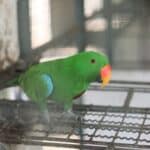
As parrots release urine and feces simultaneously, many owners mistake polyuria (the excessive release of urine) for diarrhea (loose, watery stools).
A single, unexplained bout of diarrhea may be caused by stress or excitement.
Ensure nothing has unsettled the parrot and its living conditions are appropriate. Worm the parrot to kill any parasites causing a gastric upset.
A sudden diet change or spoiled food can upset a parrot’s stomach. Consider adjusting the parrot’s meal plan and ensuring it isn’t consuming anything toxic, like rhubarb leaves.
If diarrhea lasts longer than 24 hours, it may signify illness or infection, so always consult a vet.
Signs A Parrot Has Diarrhea
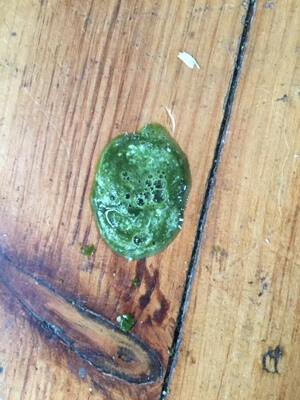
Parrots poop regularly, but their waste should take on a distinct appearance and shape. Healthy parrot feces are firm, long, tubular, and green.
If a parrot’s poop is loose and watery, it could have diarrhea. While gastric upsets are rare, they can arise in certain situations. Sometimes, different medical conditions are confused with each other.
Polyuria vs. Diarrhea
Polyuria occurs when a parrot produces more urine than usual. Parrots release pee at the same time as their droppings, so polyuria can leave a parrot’s waste wet and loose.
If a parrot has polyuria, its droppings will be uncurled and surrounded by a white, mucous-like liquid. Diarrhea will remain green, while polyuria means a parrot’s waste will be mostly milk-colored.
The causes of polyuria are similar to those that cause diarrhea, although this concern is usually accompanied by polydipsia (the compulsion to drink water to excess).
According to the Iranian Journal of Veterinary Science and Technology, polyuria and polydipsia are uncommon. If a parrot releases excessive urine, it needs medical attention.
Causes of Diarrhea
If a parrot experiences diarrhea for less than 24 hours, the gastric upset may be linked to a unique incident that has passed. If the problem persists, here are the causes:
Stress or Overstimulation
The sudden onset of diarrhea may be explained by stress or overstimulation. Some parrots experience a gastric problem when upset or left to grow overly excited, especially in younger birds.
Upon noticing diarrhea, assess the parrot’s lifestyle and living arrangements. Consider the following:
- Has something frightened the parrot, like a loud noise or bright colors?
- Is the parrot getting enough exercise, and is its cage large enough?
- Does the parrot have enough entertainment, and are you providing enough company?
- Is the room temperature between 65° F and 80°F?
If necessary, make adjustments to prevent a repeat of loose and runny stools. Diarrhea caused by stress or excitement should be a short-term occurrence.
Inappropriate Diet
Parrots need a balanced diet. Excessive fiber intake, spoiled food consumption, or a sudden diet change can cause stomach upset.
Hypocalcemia, a lack of calcium in the diet, is also linked to loose and wet stools. This condition is common in parrots that are exclusively fed seed-based diets.
Fruit and vegetables with a high water content can lead to polyuria (commonly mistaken for diarrhea).
Obesity and Fatty Liver Disease
Another medical concern for parrots is weight gain. An overweight parrot will struggle to support its mass, leading to issues with its feet and an inability to perch.
The internal damage caused by weight gain is even more troubling. Obese parrots may develop fatty liver disease, resulting in fat cells accumulating around the liver.
Infection
An infectious disease can cause diarrhea, including:
Bacterial Infections
Parrots, especially those in unsanitary living conditions, can get bacterial infections that cause diarrhea and loose stools. The most common is chlamydophilosis (parrot fever).
Chlamydophilosis is caused by Chlamydophila psittaci, a bacterial organism that attacks the organs and may manifest with symptoms of a respiratory illness alongside loose stools.
As this bacteria impacts the liver, the stools may also be yellow.
As per Veterinary Research, this infection is zoonotic, so wear gloves when handling a parrot with suspected chlamydophilosis. The infection is treated with Doxycycline, taking up to 2 months to clear.
Viral Infections
Airborne viral infections can impact a parrot’s health and can be contagious. If you have two or more birds, the parrot with a viral infection must be isolated and quarantined until it recovers.
The most concerning viral infection a parrot can develop is polyomavirus. This is frequently fatal to young birds as it attacks the nervous system. Diarrhea is an early sign of infection.
If the parrot experiences diarrhea alongside other symptoms of a viral infection, including lethargy and depression, vomiting, and ruffling of the feathers, seek veterinary assistance.
Fungal Infections
A parrot with low immune function, potentially caused by old age, poor diet, or underlying sickness, could be prone to fungal infections.
The most common type is Aspergillus mold, which can irritate a parrot’s bowels.
Aspergillus can be caused by leaving food in the cage too long, causing it to spoil. Air conditioning, tower fans, or space heaters can also cause dried mold spores to become airborne.
Internal Parasites
The most common parasites are intestinal worms, such as roundworms and tapeworms. Parrots can also contract giardiasis from food or soil contaminated with giardia duodenalis, a parasitic germ.
Pet stores sell medication to kill parasites in the digestive tract. This is administered orally using a pipette. Always worm parrots every 6 months as a precaution.
Toxin Exposure
A parrot may have ingested or inhaled toxins or even experienced dermal exposure.
According to Veterinary Clinics of North America: Exotic Animal Practice, lead and zinc are common toxins. Other toxins that can unsettle a parrot’s digestive health include:
- Aerosols, including air fresheners.
- Cleaning products used in and around the parrot’s cage.
- Insecticides and pesticides in fresh food.
- Scented candles and some essential oils.
- Plastic toys and accessories.
- Tobacco products.
- Wild plants.
- Non-stick cookware (Tefal).
Toxicity is a medical emergency, with diarrhea just one of the warning signs.
Egg Binding
Egg binding (dystocia) can cause constipation because the inability to lay an egg leads to an intestinal blockage. In rare cases, an eggbound parrot will experience diarrhea.
This may arise once egg binding is resolved. The parrot must quickly relieve itself of all waste accumulated in the body, lest it becomes toxic.
A bout of diarrhea doesn’t necessarily mean the parrot is no longer eggbound. When a parrot prepares to lay eggs, the cloaca – where birds release feces and eggs – relaxes.
How To Treat Parrot Diarrhea
A parrot will likely feel weak and exhausted after a bout of diarrhea and become dehydrated. Encourage the parrot to drink water, ideally mixing in a bird-safe electrolyte.
Parrots sometimes drop to the bottom of the cage, and whatever has caused the loose stool isn’t something you want nearby. Remove and replace the cage lining.
If the diarrhea was a one-off and the parrot shows no signs of distress or a repeat incident, consider lifestyle changes, such as a change of location or diet.
A veterinarian should investigate diarrhea that lasts for more than 24 hours.