Toe-tapping (or foot clenching) involves involuntary muscle spasms, which cause the toes to open and close repeatedly. This condition can affect one or both feet.
It was named toe-tapping because the parrot’s claws tap as they hit the perch when opening and closing.
The cause could be an excess of or too many vitamins and minerals or swollen internal organs pressing on nerves. Unlike other conditions, toe-tapping syndrome doesn’t worsen if allowed to continue.
Conditions commonly mistaken for foot clenching include lead-based heavy metal toxicosis, Proventricular Dilitation Disease (PDD), and dermatitis (fungal or bacterial).
Some parrots, like cockatoos, stamp their feet when threatened, which is also entirely different.
Parrot Toe Tapping Meaning
Let’s take a closer look at the reasons for toe-tapping in parrots. These include:
Excessive Vitamins And Minerals
Toe-tapping syndrome could be due to feeding a parrot too much of a particular food or nutritional supplement, which can lead to an imbalance in the body.
Spirulina is often the reason for toe-tapping because it’s a common ingredient in pellets. This blue-green algae is considered to be among the world’s most nutrient-rich foods.
While some spirulina benefits parrots’ health, too much can lead to muscle spasms.
Calcium Deficiency
A parrot needs blood tests to determine if its ionized calcium level is low (hypocalcemia). If the tests show that a parrot needs more calcium, its daily intake should be increased.
Calcium is found in the following nutritious foods:
While dairy is a good source of calcium, parrots lack the enzyme (lactase). Although not entirely lactose intolerant, parrots’ bodies process lactose poorly.
Alternatively, a vet will administer oral calcium, like liquid NeoCalglucon.
Toe-tapping usually ceases once normal calcium levels are restored. Sometimes, it clears up within days of the parrot being given adequate calcium and supportive vitamins and minerals.
Severe Infections
Although less common, toe-tapping can be due to an infection that causes the organs to swell. These organs press against the nerves leading to the feet and toes, causing foot spasms.
Swollen Reproductive Organs
When a parrot is in reproductive mode, its organs will enlarge to prepare for reproduction. As with infection, this leads to the reproductive organs pressing against the nerves.
Preventing Toe-Tapping
The condition usually goes away shortly after the cause is removed. Even so, take the parrot to the vet for a blood test to determine the underlying cause of muscle spasms.
Sometimes, a diet change is the only thing needed to recover. Once you’ve identified the cause of toe-tapping, here are the most common solutions:
Well-Optimized Diet
Most avian veterinarians recommend that pellets comprise 50-70% of a parrot’s diet.
Low-quality pellets have little nutritional value, so parrots may not get enough nutrients. Owners may also supplement a parrot’s diet with too many vitamins and minerals, leading to an imbalance.
To prevent toe-tapping syndrome, feed the parrot quality pellets that don’t contain added sugars, colors, or preservatives. Also, add more nutritious fruits and vegetables to the parrot’s diet.
Calcium-rich foods should also be increased, especially for breeding-age females. This mineral interacts with magnesium, phosphorous, and vitamins D3 and K.
Aloe Detoxifying Formula
An aloe detox is a concentrate of aloe vera and herbs. It detoxifies the system, especially if chemicals and other toxins have entered the parrot’s body. An aloe detox can:
- Cleanse waste from the colon.
- Support healthy digestion.
- Maintain a healthy gut.
- Improve nutrient absorption.
- Support healthy liver function.
Add ½ cap of Aloe vera to a pint of water and mix, serving it to the parrot in a shallow dish. Then, the parrot can drink the detoxifying aloe formula at leisure.
After a few days, toe-tapping should cease because the toxins have gone.
Lower Stress Levels
Sometimes, stress can trigger toe-tapping. Therefore, keeping the parrot’s environment stress-free reduces negative emotions and feelings of anxiety.
According to Science Direct, a living environment that promotes psychological well-being leads to a happy, healthy, and active parrot.
Ensure the parrot gets enough sleep by moving it to a quiet corner of the home. Keep them away from other pets and young children who may be overzealous with handling.
Provide stimulation through fun toys and games, and ensure the parrot gets ample exercise.
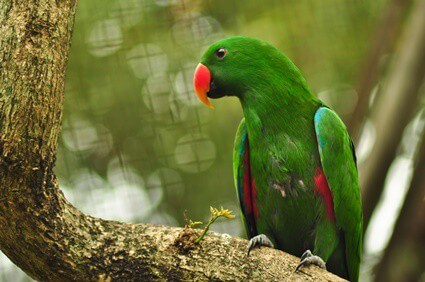
Toe-tapping syndrome is more common in Eclectus parrots, but all species can be affected. If you follow these steps and resolve the cause, toe-tapping should cease within 1-2 weeks.