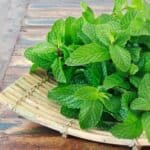
Tea leaves contain more caffeine than coffee beans, so parrots can only drink bird-safe varieties.
If a parrot sips a tiny quantity of caffeinated tea, it’s unlikely to come to any harm. However, don’t leave a cup of tea unattended or let a parrot eat tea leaves because it contains 3.5% caffeine.
Parrots can safely drink decaffeinated and caffeine-free herbal teas without milk, sugar, or sweeteners. Decaffeination doesn’t make tea caffeine-free, but it must be less than 2.5% by law.
Herbal teas, like Rooibos and chamomile, are calming for parrots, helping them cope better with stressful situations. They may ease stomach issues, reduce inflammation, and improve immune health.
Decaf green tea contains polyphenols, which condition the body to cope better with oxidative stress.
Tea for Parrots
Many owners want to give tea to parrots, but the variety of teas humans drink is often high in caffeine.
Safe teas for pet parrots include:
- Chamomile tea.
- Rooibos tea.
- Peppermint tea.
- Hibiscus tea.
- Lemon balm tea.
- Oregano tea.
- Lavender tea.
- Ginger tea.
- Decaffeinated green tea.
- Decaffeinated black tea.
Avoid teas (like chocolate and mint herbal tea) because chocolate is toxic to parrots. The darker the chocolate, the higher the theobromine and caffeine content.
According to Chinese Medicine, tea contains some essential nutrients, including:
- Calcium.
- Magnesium.
- Manganese.
- Iron.
- Copper.
- Zinc.
- Potassium.

Dangers of Tea for Parrots
Certain substances found in tea can be damaging, including:
Caffeine
Many human teas contain caffeine, which is a natural stimulant. Caffeine belongs to a chemical class of alkaloids called methylated xanthines, stimulating the central nervous system and heart.
Caffeine is responsible for cardiac malfunctions in parrots because it’s absorbed rapidly by the intestinal tract, causing excessive kidney work.
Caffeinated drinks should be avoided because they cause:
- Elevated heart rates.
- Heart arrhythmias.
- Hyperactivity.
- Cardiac arrest.
As parrots are energetic, caffeine can cause them to become aggressive, destructive, and claustrophobic inside their cages. They’ll also struggle to sleep because their sleep routine will be out of sync.
Milk (Lactose)
Parrots shouldn’t drink milk because they lack the enzyme (lactase) to digest the sugars in milk. Instead, fluids are drawn into the digestive tract, causing diarrhea and other digestive complaints.
Added Sugars
If parrots consume refined sugar, they may reject other nutrients, leading to weight gain and malnutrition. It can also give them excessive energy, making them hyperactive and noisy.
Artificial Sweeteners
While the harmful effects of sweeteners haven’t been exhaustively studied on avian life, they’re toxic to other animals. We should assume that sweeteners, like xylitol, are toxic to parrots until proven otherwise.
Decaffeinated Teas for Parrots
If you want to share tea with your pet parrot, here are some options:
1/ Decaf Green Tea
Green tea contains 7.61 mg of caffeine, which is 80% less than black tea. However, all caffeine is toxic. Pet parrots can drink some decaffeinated green tea.
Green tea contains polyphenol antioxidants (catechins), like epigallocatechin gallate (EGCG), which improve the body’s ability to cope with oxidative stress.
When looking for a parrot-safe green tea, check the ingredients list. Avoid additives, preservatives, and colorings that may have side effects.
The safe ingredients in green tea include:
- Probiotics.
- Dextrose.
- Green tea extract.
- Rooibos extract.
2/ Decaf Black Tea
Black tea stimulates blood circulation and can ease stress. 100 ml of black tea contains 37 mg of caffeine, so only offer some decaffeinated black tea to pet birds.
Herbal Teas for Parrots
Some store-bought herbal teas are flavored with additives to appeal to the human palette. While you may think fruit teas are okay, many flavorings and additives are unhealthy.
There are many herbal teas, which are usually caffeine-free and safe for parrots to drink. These include:
3/ Chamomile Tea
Chamomile tea is extracted from the flowers of the chamomile plant and is naturally caffeine-free.
It comes in black, white, and green varieties, depending on when the leaves were picked. Black chamomile tea is the most nutritious because it’s extracted from the youngest leaves.
Chamomile tea is among the best teas for parrots due to its:
- Sedative properties that enable parrots to sleep better.
- Stress-reducing properties, reducing destructive behaviors like feather plucking.
Misting chamomile over a parrot with a spray bottle can ease the discomfort from itchy skin.
4/ Peppermint Tea
Peppermint tea isn’t usually given to parrots due to its strong and minty flavor. As a natural tea, it contains no toxic ingredients. Always check the ingredients list first.
Peppermint tea boasts a range of health benefits:
- Soothes stomach upsets.
- Relieves clogged sinuses.
- Boosts energy levels.
- Fights bacterial infections.
- Improves sleep quality.
If a parrot’s poop becomes runny or changes color, it’s unsettling the digestive system.
5/ Rooibos Tea
Rooibos tea, also called red bush or red tea, is an herbal tea with a distinctive nutty taste. Due to its flavor, many parrots enjoy the taste, which resembles nuts and seeds.
While rooibos tea is rich in natural antioxidants like aspalathin, it lacks nutrients.
Rooibos tea is naturally caffeine-free, making it a viable alternative to black and green tea. It’s also tannin-free. Tannins are natural compounds that interfere with vitamin and mineral absorption.
6/ Hibiscus Tea
Hibiscus tea has a tart, fruity flavor that resembles cranberry juice.
It’s high in antioxidants, like anthocyanins, beta-carotene, and vitamin C, which reduce the effects of oxidative stress. Hibiscus tea has more antioxidants than green tea and is naturally caffeine-free.
7/ Lemon Balm Tea
Lemon balm is a calming herb from the mint family, often used to make a caffeine-free tea.
It contains terpenes, which have a calming effect and improve sleep quality. Lemon balm tea is also thought to enhance mood and ease digestive distress from gas and bloating.

8/ Oregano Tea
Oregano has a slightly bitter and peppery flavor, which may not appeal to the taste buds of parrots.
Anecdotal evidence suggests that oregano may benefit parrots due to its antimicrobial and antioxidant properties. Some owners give oregano tea to parrots with respiratory issues and coughs.
9/ Lavender Tea
Lavender tea is flavorful and aromatic, embodying the taste of rosemary and mint.
If a parrot seems hyper, some lavender tea could help them relax. Lavender is also considered beneficial for immune health and reducing inflammation.
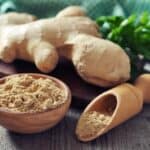
10/ Ginger Tea
Ginger tea has an earthy taste with a hint of spice and citrus. Some owners feed parrots ginger for better digestion and to lower inflammation levels.
How To Give A Parrot Tea
To make tea for parrots, follow this step-by-step process:
- Add 1 teaspoon of decaffeinated herbal tea to 8-10 ounces of water.
- Stir and strain it to remove the loose leaves.
- Allow the tea to cool to room temperature. It mustn’t be too hot.
- To get a parrot to drink tea, place it in a shallow bowl.
Never give parrots caffeinated teas. Instead, opt for a decaffeinated or herbal tea.