Healthy parrots breathe quietly and efficiently through small, nostril-like holes at the top of the beak called nares. They seldom pant and breathe heavily through the mouth.
If a parrot is panting, physical exertion may have exhausted it. Ensure the bird isn’t overweight and doesn’t struggle to go about its life. If the ambient temperature exceeds 80°F, it may be overheating.
Hormonal changes can cause a parrot to pant. If it’s female, check she’s not preparing to lay eggs. Keep toxins away from parrots because they can cause breathing problems.
Stress can cause panting, so do your utmost to promote calmness. Keep the cage clean, avoid airborne irritants, and ensure its diet contains enough vitamin A to keep the respiratory tract healthy.
Parror Panting Normal vs. Abnormal
Parrots have an efficient respiratory system that promotes quiet, steady breathing.
When parrots inhale, air enters the nares and passes the larynx, trachea (an airway connected to the larynx and syrinx), and bronchi until it reaches the lungs.
Once the air reaches the lungs, oxygen and carbon dioxide are exchanged. New air is passed to air sacs attached to the trachea. Then, the air travels up the trachea, past the larynx, and through the nares.
What It Means When A Parrot Pants
Here are the most common explanations for panting and labored breathing:
Strenuous Exercise
The parrot may be breathing heavily after exercise because it has exhausted itself. This isn’t necessarily a concern if the panting subsides within a few minutes.
Flying, in particular, requires considerable energy. If a parrot is getting older or only needs to travel a short distance, it may prefer to walk or hop.
The likeliest explanation for a parrot breathing heavily is excess weight. Find the ideal weight for the parrot species and weigh it weekly, ensuring it’s not too heavy to sustain its lifestyle.
Even a healthy parrot will start panting if it overexerts itself.
Overheating
Parrots flourish when the temperature is between 65 and 80°F, with a humidity level of around 40–60%. Any hotter and drier, and it may struggle for breath.
Birds don’t sweat, but a parrot may be prone to overheating during the summer or if you turn up artificial heating sources in winter. Other than heavy breathing through the beak, additional warning signs include:
- Puffing the feathers as though attempting to cool the skin.
- Spreading the wings while standing still.
- Refusing exercise or handling.
- Changes to behavior, like uncharacteristic aggression.
If a parrot seems over-hot, consider the following solutions:
- Move the cage to a shaded part of the home.
- Mist the parrot using a spray bottle.
- Switch on a tower fan to recirculate air, but avoid pointing this straight at the parrot.
If a parrot is visibly struggling, fill a bowl, bucket, or bathtub with room-temperature water and allow the bird to bathe. This is how wild parrots cool off in intense heat.
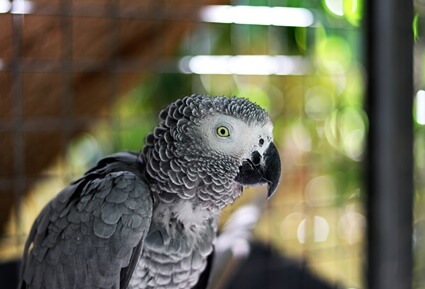
Stress and Anxiety
Stress and anxiety will get the heart racing and can result in panting and heavy breathing. Common reasons for a parrot to grow stressed include:
- Too much time alone, as parrots are social birds and need regular companionship.
- Excessive handling, especially from untrusted humans.
- Cramped or dirty living conditions.
- Lack of exercise or stimulation. Never leave a parrot locked in a cage all day.
- Loud, unexpected noises.
- Presence of other pets around a cage, like cats and dogs.
- Nightmares. Parrots undergo REM sleep while sleeping, which may involve night terrors.
New objects in a parrot’s environment can cause stress. According to Applied Animal Behavior Science, parrots are prone to neophobia (a fear of the unfamiliar).
Nature warns that parrots are likeliest to be startled by red, so avoid painting walls this color.
Respiratory Irritation
A parrot may be breathing heavily because something has irritated its respiratory tract.
Parrots can experience allergies. Alternatively, something a bird has eaten or inhaled may have caused its throat to swell, making it harder to breathe.
Respiratory Infection
If a parrot is wheezing, gasping, panting, and experiencing discharge from the eyes and nares, it likely has a respiratory infection. Most parrots fully recover after treatment.
You must answer questions about the parrot’s lifestyle, recent behavior, and diet. Hypovitaminosis A could be responsible if the bird is fed an all-seed diet.
Vitamin A encourages the growth of skin cells around the respiratory tract, called the epithelium. If it doesn’t have an effective epithelium, bacteria and fungi can affect its breathing.
If diet isn’t the problem, it may have caught the illness from another bird or its living conditions.
Toxicity
Sometimes, panting and labored breathing are caused by toxins. These could have been caused by toxic food, dermal exposure to toxins like heavy metals in paint, or inhaling dangerous chemicals.
If these behaviors or symptoms accompany heavy breathing, seek veterinary assistance:
- Lethargy and muscular weakness, including an inability to perch.
- Drooping head.
- Changes to the droppings like diarrhea, excessive urine, or blood in the stool.
- Vomiting.
- Disorientation and confusion.
- Body tremors and seizures.
- Loss of consciousness.
Never wait for toxins to pass through the body. A vet will need to flush out the toxins.
Carrying Eggs
If a female parrot prepares to lay eggs, she’ll undergo hormonal changes. This can result in behavioral changes, with panting a common side effect of eggs in the oviduct.
Just because a parrot hasn’t been mated doesn’t mean she won’t lay eggs. Parrots enter the breeding season at the onset of spring and may lay unfertilized eggs if stimulated.
If you’re concerned about a parrot laying eggs, follow these steps:
- Keep the parrot away from other birds. Even if they don’t breed, the presence of a bonded companion can stimulate egg-laying hormones.
- Discourage sexual behavior, like vent rubbing. A parrot may display attention toward you or inanimate objects (like favorite toys).
- Encourage the parrot to sleep earlier, covering the cage and keeping the room quiet. The arrival of longer, warmer days encourages parrots to lay eggs.
- Rearrange the cage setup because birds are less likely to lay eggs in an unfamiliar environment.
If a parrot lays unfertilized eggs, the experience will be nutrient-intensive and exhausting, leaving her tired and short of breath. These measures can sometimes prevent this issue.